Geography
We are worldwide citizens, global explorers, and eco warriors. Geography is concerned with the past, present and future and helps pupils make sense of the world around them: it is about seeing, doing, enquiring, making links and experiencing. Our children explore a wide range of geographical concepts and as they do this, they will develop an ethos of mutual respect and inclusion. It helps to develop a range of investigation and problem-solving skills that are transferable to other curriculum areas, and which can be used to promote children’s spiritual, moral, social and cultural development. Through fieldwork and engaging in active discussion, children become equipped with skills that prepare them for challenges that lie ahead; embracing technology and promoting a life-long love of learning. By utilising both our indoor and outdoor learning environments children develop independence, resilience and a positive attitude towards Geography.
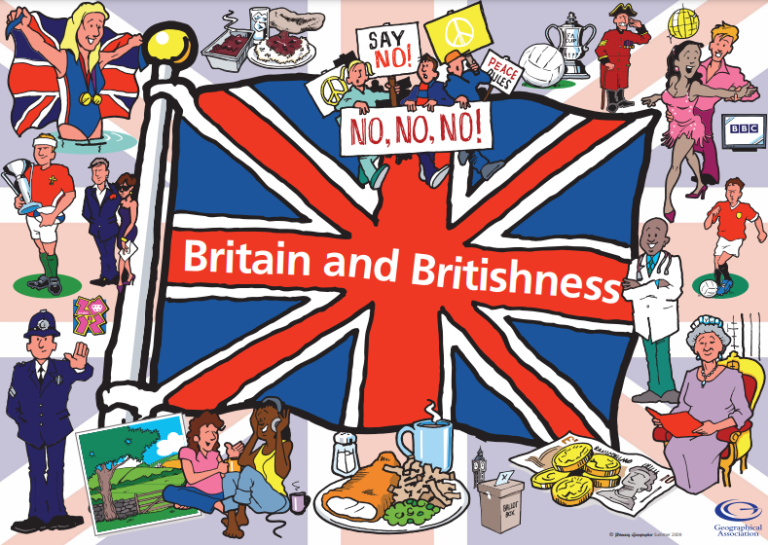
Geography and British Values
Just a sample of what we do at St John’s...
- Early years grandparents project – Where do we come from?
- Celebration of local events such as Commonwealth games in Birmingham; creating tourist leaflets for our city
- Contrasting leaflets for Cornwall – why should we Staycation? Sustainable travel
- The place for charity shops on our High Streets – the fight against fast fashion
- Famous British Muslims who changed the world, including Mo Farah and Malala Yousafzai
- Study of HMS Windrush and visiting drama workshop
- London landmarks – map and leaflet for visitors from contrasting Kuala Lumpur KS1
- School Council British Values walking tour of Walsall Town centre and Mayor’s Parlour
- Summer 2022 Jubilee celebrations
- Remembrance service in school, National Arboretum, and Walsall Wood Cenotaph


Congratulations to the winning team in Key Stage One who won the road safety competition that took place in school. Each team member has been presented with an A*Stars goody bag. Well done all of you!
Intent
Through the teaching of Geography, we aim to develop the children’s knowledge and understanding of people, places and environments around the world. As children study Geography they gain an appreciation of life in other countries and cultures. Geography inspires children to think about their own place in the world, their values and their rights. Geography teaching motivates children to find out about the physical world and enables them to recognise the importance of sustainable development for the future of mankind. We also aim to provide the children with opportunities to work through the essential elements and concepts of Geography. In line with the 2013 National Curriculum: Geography Programme of Study, we promote a curiosity and fascination about the world and its people that will continue to develop throughout their lives.
Implementation
We incorporate Geography into our Cornerstones topic themed learning, therefore children are immersed into the subject using a variety of practical and cross-curricular learning opportunities. Aspects of Geography are implemented and developed through a curriculum where children revisit and expand their skills of collecting, analysing and interpreting data to communicate their findings and understanding of their environment. Independent elements of geography relating to locality are touched upon throughout the year. Further to this, we invite local experts and professionals into school and make use of Cannock Chase and Walsall Arboretum to enrich children’s learning.
Early Years
Geography in EYFS is encompassed by ‘Understanding of the World’ and incorporates children’s understanding of ‘People and Communities’ and ‘Understanding the World’. Skills and curiosity in technology also benefit children’s research and enquiry for geography. Our environment is decorated with images, stories, and objects from different places, providing children with many opportunities to explore and engage in different ways of living. Children are encouraged to explore natural features, investigate changes over time, and consider how to care for the wider world.
Key Stage 1
Pupils develop knowledge about the world, the UK and their locality, learning subject-specific vocabulary and basic geographical skills. They will:
- Name and locate the world’s seven continents and five oceans
- Identify the four countries and capital cities of the UK and its surrounding seas
- Understand human and physical geography of the UK and a contrasting non-European country
- Identify seasonal and daily weather patterns and locate hot/cold areas in relation to the Equator and Poles
- Use basic geographical vocabulary for physical features (beach, cliff, forest, hill, mountain, sea, ocean, river, soil, valley, vegetation, season, weather) and human features (city, town, village, factory, farm, house, office, port, harbour, shop)
- Use maps, atlases, globes, simple compass directions, and locational language to describe locations and routes
- Use aerial photographs, plan perspectives, and construct simple maps with basic symbols
- Use simple fieldwork and observational skills to study the school grounds and surrounding environment
Key Stage 2
Pupils extend their knowledge beyond the local area to include the UK, Europe, North and South America, and significant human and physical features worldwide. They develop geographical knowledge, understanding, and skills to enhance locational and place knowledge:
- Locate countries on maps focusing on Europe, North and South America, and study environmental regions, physical and human characteristics, countries, and major cities
- Name and locate UK counties, cities, regions, and topographical features; understand land-use patterns and changes over time
- Identify latitude, longitude, Equator, hemispheres, Tropics, Arctic/Antarctic Circles, Prime Meridian, and time zones
- Compare human and physical geography of regions in the UK, Europe, and North/South America
- Study physical geography (climate zones, biomes, rivers, mountains, volcanoes, earthquakes, water cycle) and human geography (settlements, land use, trade, natural resources)
- Use maps, atlases, globes, and digital mapping; use compass points, grid references, symbols, keys, and fieldwork methods to observe, measure, record, and present features
Earth Day 2022
What did we do?
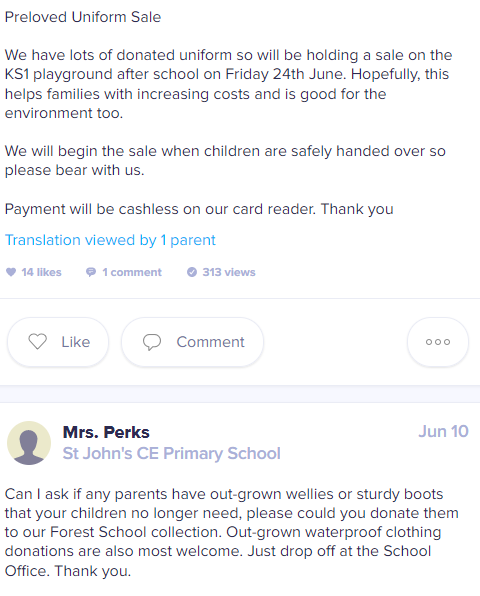
KS1 planted and harvested their own food, learning about food miles, and took part in litter picks and playground planning. Mrs Coulter started a pre-loved uniform shop; Mrs Perks created a bank of pre-loved outdoor wear for Forest School. Mrs Shenton ran projects including helmet design, traffic surveys, scooter training, road safety walks, and a KS1 road safety quiz.
Year 6 fundraised for the Glebe Centre:

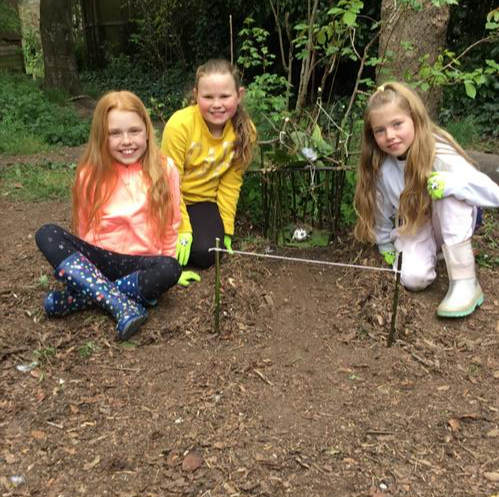
Mrs Perks planted 12 new trees with Year 4 and completed her Forest School training:


Impact
Children develop deep knowledge, understanding, and appreciation for their local area and its place in the wider world. They understand interactions between physical and human processes and how these affect landscapes and environments. Spiritual, moral, social, and cultural development is supported by international school links. Children learn about careers related to geography through local and wider community experts, ensuring all children are prepared for their next steps in education and life.