Music
At St John’s, we believe music should inspire, challenge, and enrich every child’s learning journey. Our music curriculum is designed not only to build skills but also to nurture creativity, confidence, and a lifelong love of music. Here at St John’s, music has an important role in supporting our school values and Christian ethos. ‘Music connects us through people and places in our ever-changing world. It is creative, collaborative, celebratory and challenging.’ Department of Education, Model Music Curriculum 2021.
We aim to:
- Provide opportunities for every child to express their thoughts and feelings through music.
- Introduce children to music from a wide range of cultures and historical periods.
- Ensure all pupils have the chance to learn and enjoy playing a musical instrument.
- Develop children’s ability to recognise pulse, pitch, and other musical elements.
- Build confidence in playing both tuned and untuned instruments with control and expression.
- Encourage collaboration by working together to create and perform musical compositions.
Deepen understanding of how music is created and communicated through the key dimensions of pitch, duration, dynamics, tempo, timbre, texture, and structure.
Intent
Through whole class, group, and individual activities, pupils are encouraged to listen actively, explore sound, compose, perform, and enjoy a wide variety of musical experiences. Music is part of our daily life and is used to support and enhance learning in many other subject areas. At St Johns we believe that music plays an integral role in helping children to feel part of a community, therefore we provide opportunities for all children to create, play, perform and enjoy music both in class and to an audience. In lessons, they develop their musical skills, explore a wide variety of styles, and begin to appreciate and evaluate different genres. Our curriculum is designed to build children’s self-confidence, celebrate their achievements and give them the platform to explore, experiment and perform.
Implementation
In the Early Years, music plays an important role in developing children’s creativity within expressive arts and design. As pupils move into Reception, Key Stage 1 and Key Stage 2, music is taught by class teachers, with each half-term focusing on a new unit while key musical skills are revisited and built upon throughout the year. Music is taught primarily through the Charanga Musical School Scheme which offers clearly sequenced curriculum. Each year group follows a structured path, with learning that builds on prior knowledge. The scheme ensures that children key musical concepts are revisited and deepened over time through a spiral curriculum. This means that each unit reinforces and builds upon earlier learning, helping children to retain and apply knowledge in new contexts.
Each unit includes:
- Listening and Appraising
- Singing and Vocal Work
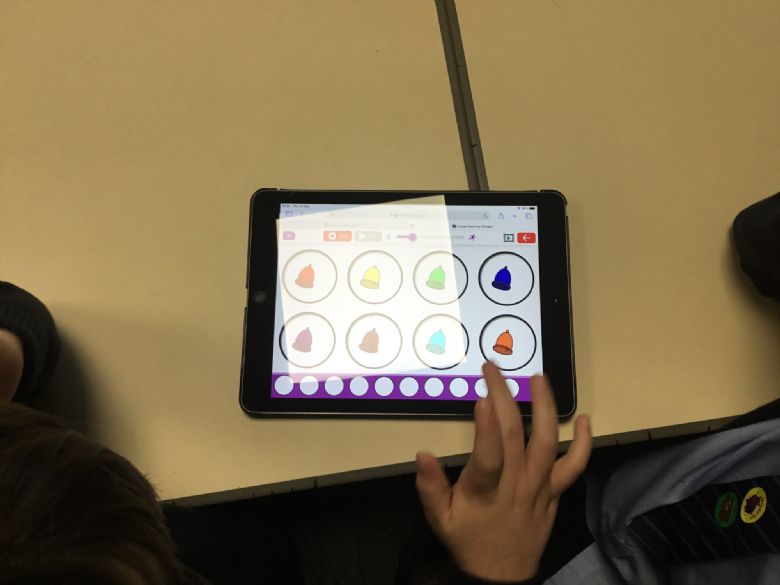
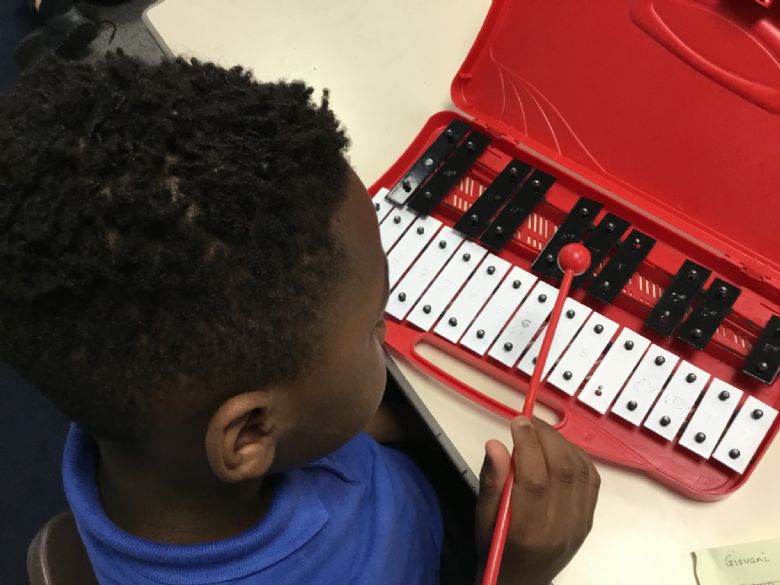
- Playing Instruments (including glockenspiels and untuned percussion)
- Improvising and Composing
- Performing
The scheme incorporates music from a wide range of genres and cultures—classical, pop, jazz, hip-hop, folk—helping children to develop musical appreciation and cultural awareness.
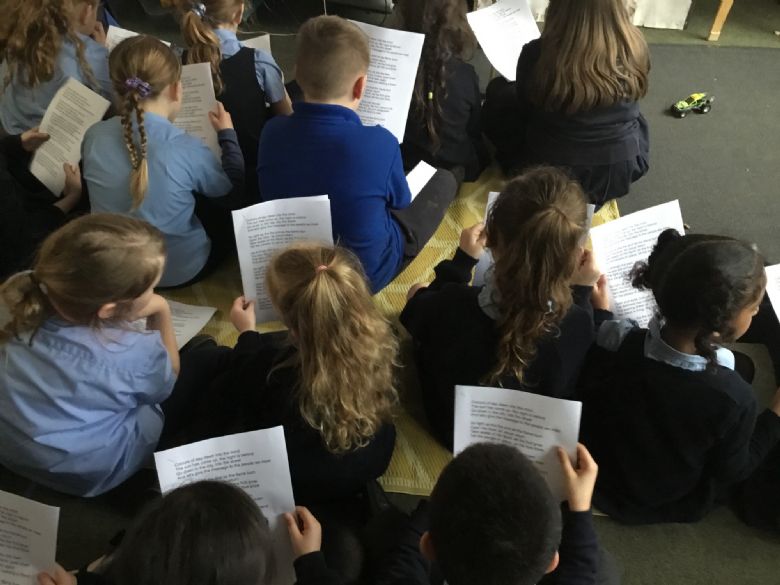
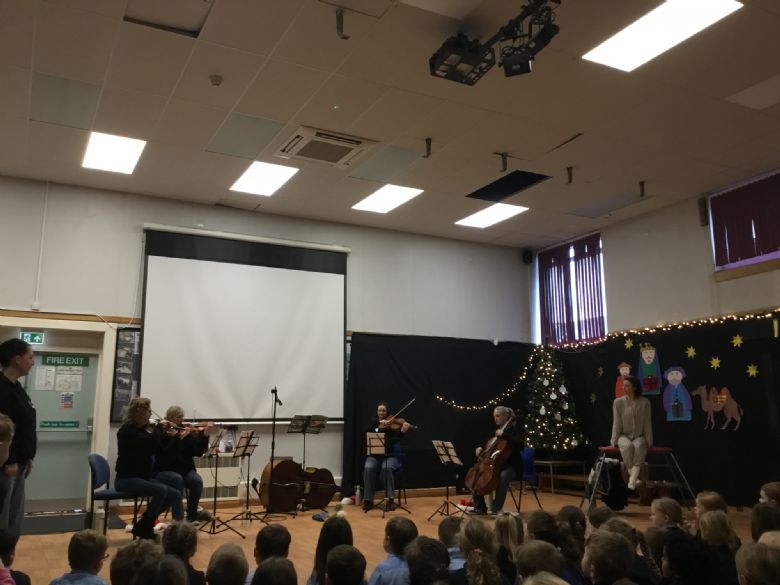
Children throughout the school sing on a daily basis in assemblies and during collective worship times. We have a weekly singing practice and children in years 1 to 6 are given the opportunity to join the school singing club. Singing plays a prominent part in all school productions at Christmas, Easter and at the end of the school year. Children are given the opportunity to learn a brass or woodwind instrument in Years 3 and 4 and continue their learning of their chosen instrument through to Year 6.
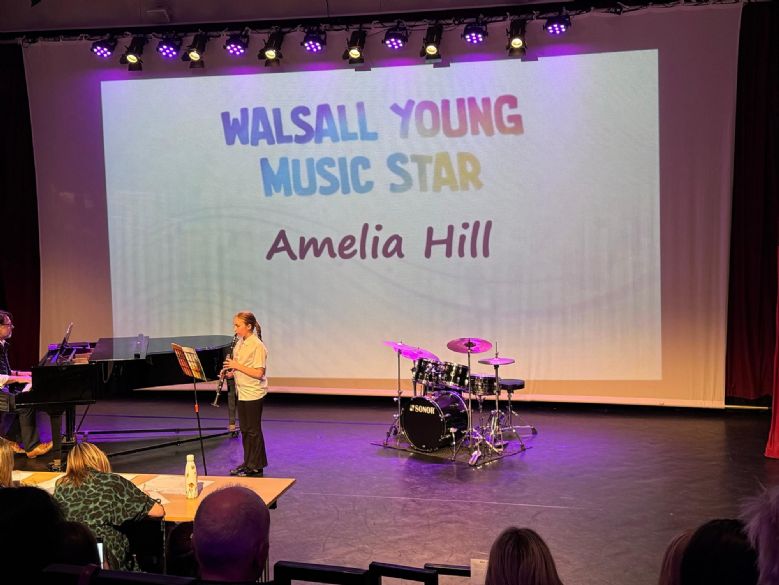
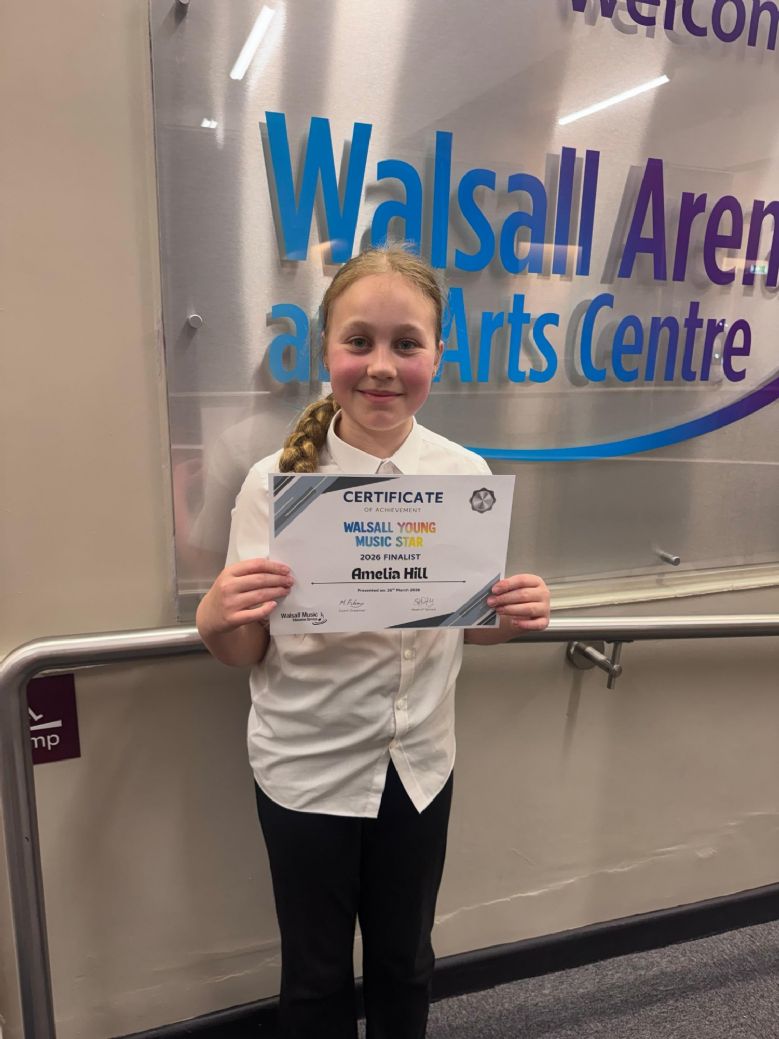
Other initiatives are used to support our music curriculum through Walsall Music hub. Children in Key stage 2 have the opportunity to learn a Brass or woodwind instrument and have weekly music lessons with music specialists from Walsall music hub. Children build upon their musical knowledge, are encouraged to compose and shown how to play and take care of a particular instrument. The Key Stage 1 and 2 singing club meet weekly to learn and practise songs, new and those already familiar, with a range of themes. For students with Special Educational Needs and Disabilities (SEND), personalised support is provided according to individual needs. For example, students who are sensitive to noise can use ear defenders during louder sessions. Teachers tailor their instruction and adjust lesson plans to ensure every student is appropriately challenged.
At St John’s, we celebrate Musician of the Month to inspire children and broaden their understanding of music. Each month, pupils are introduced to a different musician or composer from a wide range of genres, time periods, and cultures. 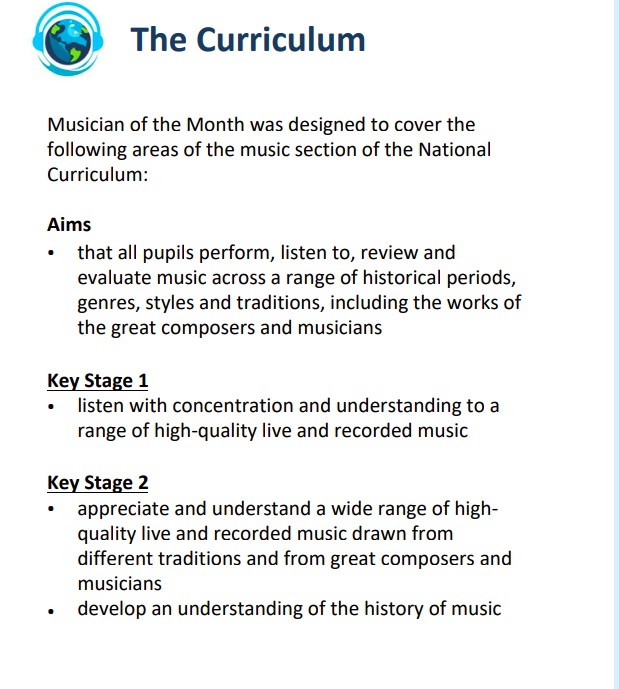
Children have the opportunity to:
- Listen to and enjoy music by the featured musician.
- Learn about their life, background, and achievements.
- Explore how their music has influenced others and why it is important.
- Develop listening and appraisal skills by discussing what they hear.
This helps pupils to build a rich knowledge of musical heritage, appreciate diversity in music, and be inspired by the creativity of others.
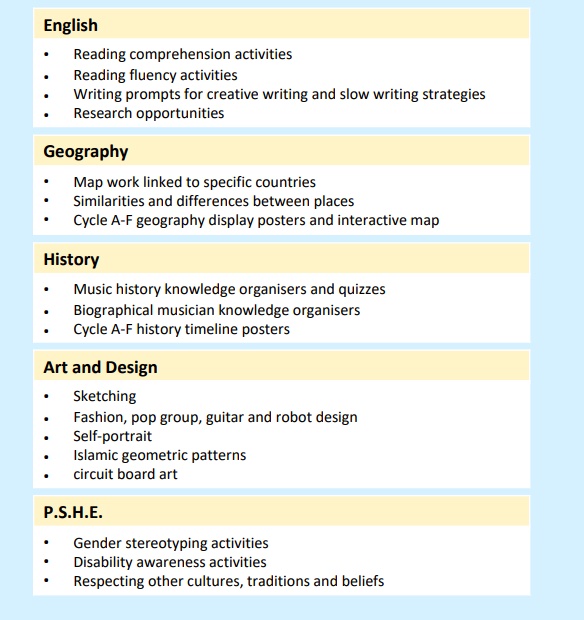
Musician of the month uses the life and history of musicians, composers and musical traditions to explore other areas of the National Curriculum:
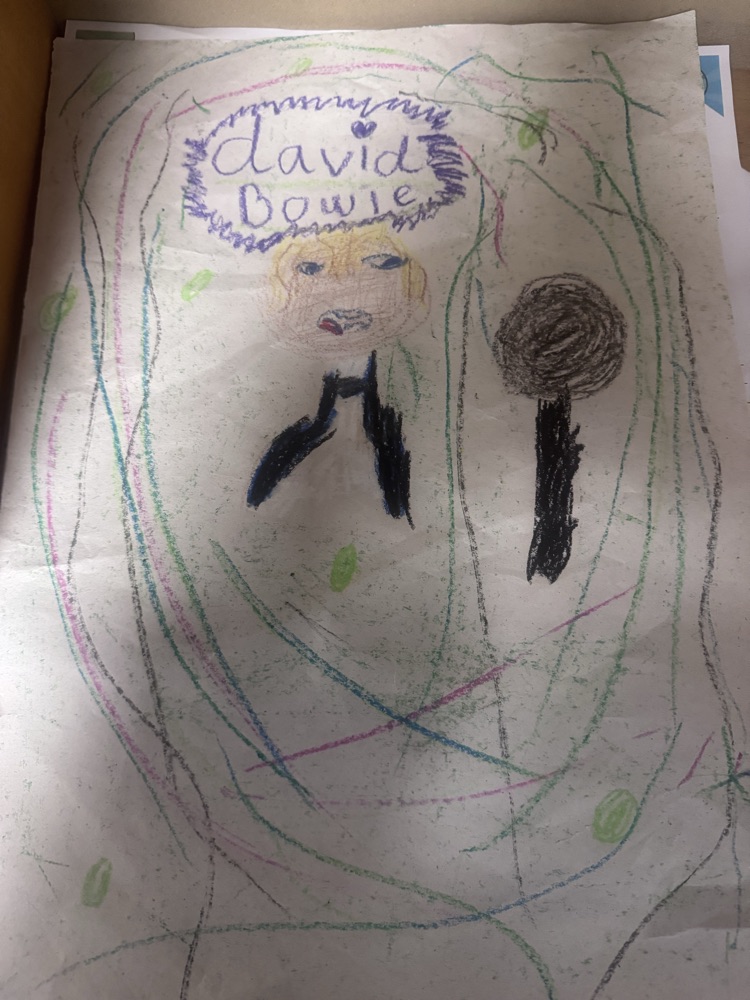
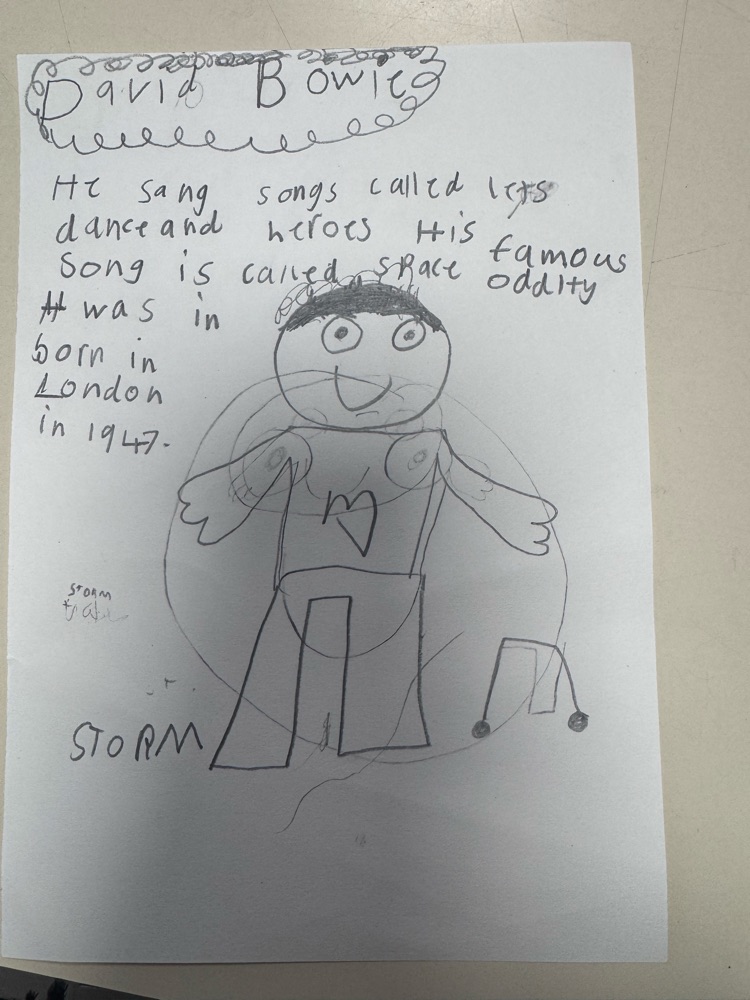
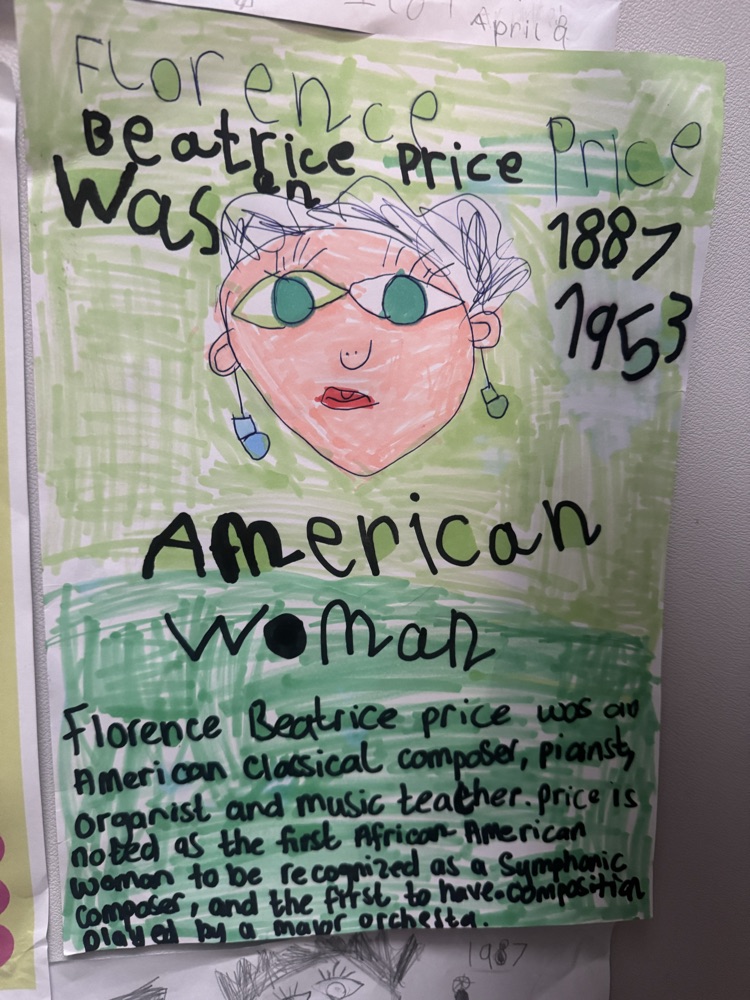
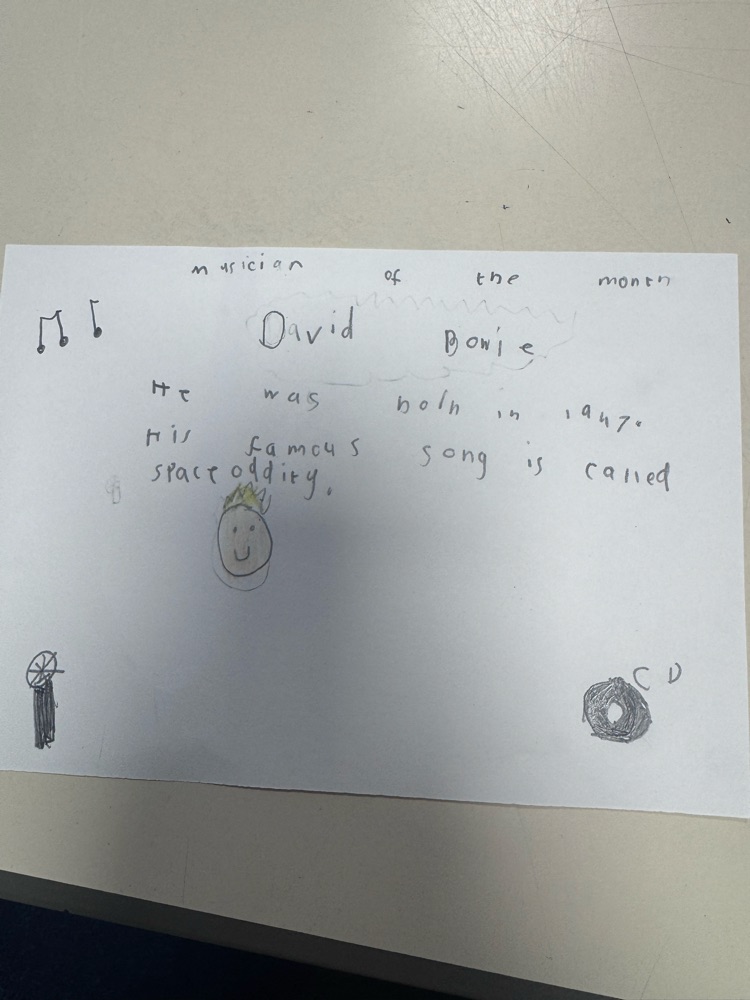
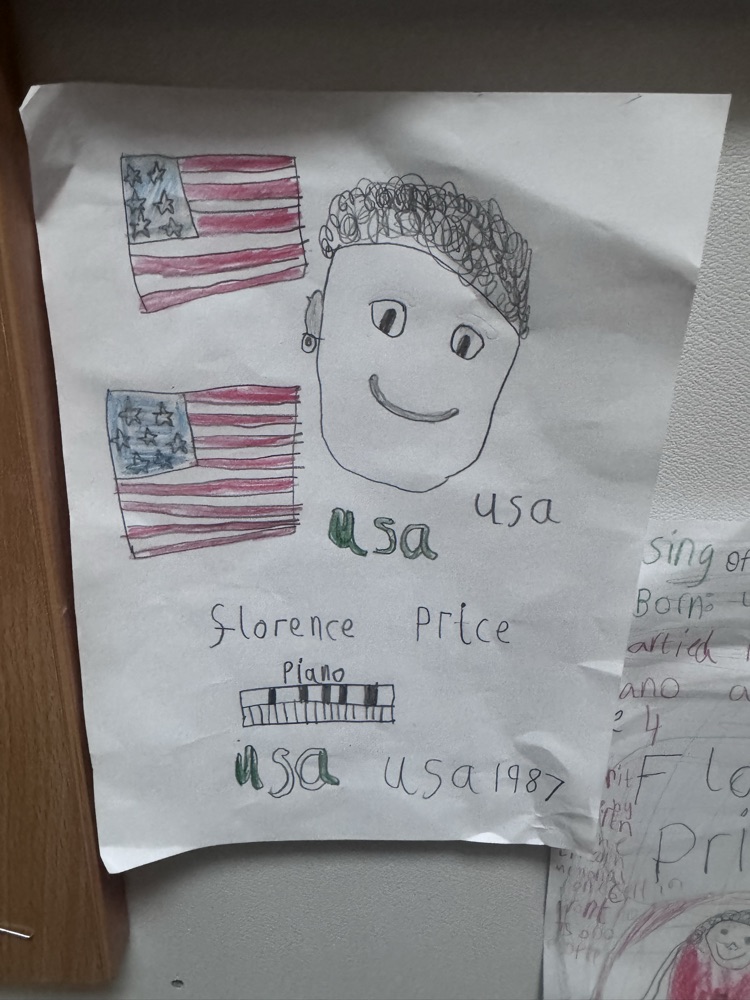
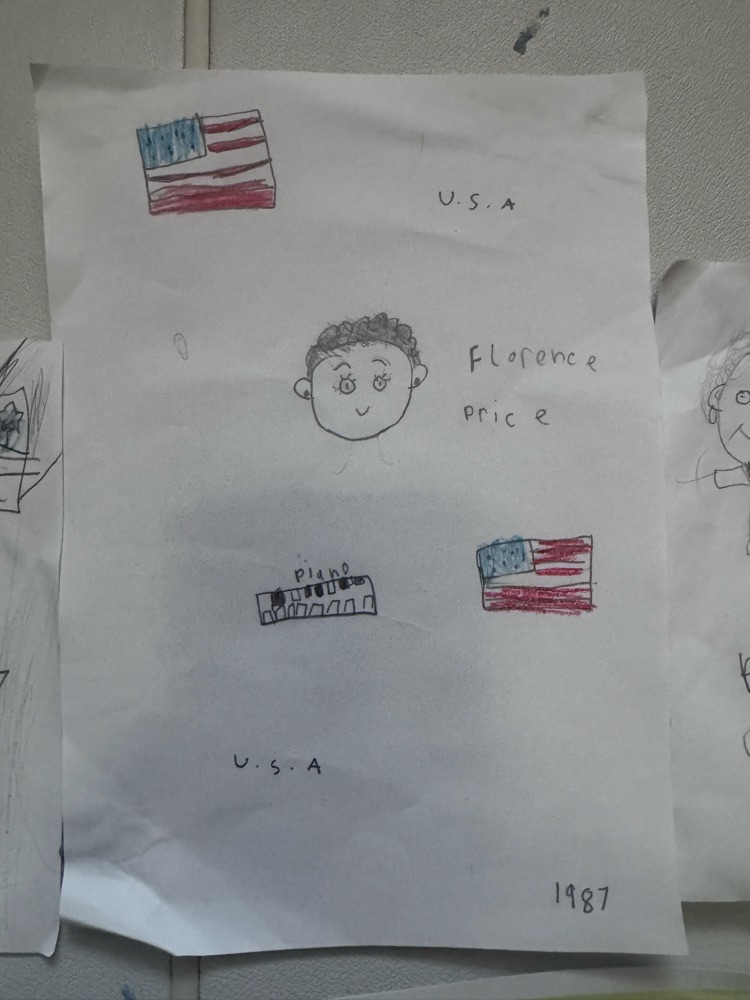
These are just a few of the many posters that children in key stage 1 and 2 have designed at home based on the musician of the month.
KS1
Singing
In KS1 children will be taught to sing simple songs, chants and rhymes from memory, sing collectively and at the same pitch, responding to simple visual directions and counting in. They will sing a wide range of call and response songs to control vocal pitch and to match the pitch they hear with accuracy. Children will be taught to sing songs regularly with a pitch range of do-so with increasing vocal control. They will sing songs with a small pitch range, accurately. Children will be taught the meaning of dynamics and demonstrate these when singing.
Listening
Children will listen to and appraise a wide variety of musical styles and genres from the past up to the present day. Children will be taught to recognise changes in tempo and respond to these through movement and be able to maintain a steady pulse, identifying the strongest beat.
Composing
Children will be taught to improvise simple vocal chants and create music in response to stimuli, choosing the most appropriate instruments. They will be taught the difference between creating a rhythm pattern and a pitch pattern and compose their own. Graphic notation will be introduced to represent sounds and children will be encouraged to develop their own symbols.
Performing
Children will continue to develop their skills on tuned instruments and play and perform. They will be given opportunities to perform as part of a large or small ensemble and for a variety of audiences.
KS2
Year 3/4
Singing
Children will be given the opportunity to sing a broad range of unison songs, pitching the voice accurately incorporating dynamics and responding to changes in tempo.
Listening
Children will listen and appraise a wide variety of musical styles and genres from the past up to the present day and develop a deeper knowledge and understanding of the stories, origins, traditions, history and social context of the music they are listening to.
Composing
Children will be taught to Improvise on a limited range of pitches on a tuned instrument, making use of musical features appropriate to the year group. They will begin to make compositional decisions about the overall structure of improvisations. They will explore and develop their knowledge of musical components by composing music to create a specific mood, and be introduced to major and minor chords. Children will capture and record their ideas using graphic symbols/notation, time signatures and staff notation.
Performing
Children will continue to develop their skills on tuned instruments and play and perform. They will be given opportunities to perform as part of a large or small ensemble and for a variety of audiences.
Year 5 and 6
Singing
Children will be given the opportunity to sing a broad range of songs. This will include observing rhythm, phrasing, accurate pitching and appropriate style.
Listening
Children will listen and appraise a wide variety of musical styles and genres from the past up to the present day and develop a deeper knowledge and understanding of the stories, origins, traditions, history and social context of the music they are listening to.
Composing
Children will be taught to create music with multiple sections that include repetition and contrast. Children will be taught to plan, compose and record (using staff notation). Compositions will be written in a suitable key for the instrument chosen. Children will use available music software/ technology to create and record it, discussing how musical contrasts are achieved.
Performing
Children will be given opportunities to perform for a variety of audiences and as part of small and larger ensembles.
Impact
At St John’s C of E Primary School we value music because it is a powerful and unique form of communication that can change the way pupils feel, think and act. Our aim is for the children at St. John’s to develop an appreciation for music in its many different forms and become confident and enthusiastic musicians. Our children will develop the knowledge and skills in order to make progress against the National Curriculum objectives but develop their uniqueness and individuality.
Pupil voice
Reception child- 'I like making loud and quiet noises and singing'.
Year 1 child- ‘Music makes me feel happy. I like clapping the rhythms’.
Year 2 child- ‘Music is so relaxing it makes me feel calm and peaceful. I like learning new songs and finding the pulse’. ‘I liked learning about Nina Simone and Florence Price they made me think I can achieve my dreams’.
Year 3 child- 'I love musician of the month and learning about somebody new every month and listening to new music'.
Year 4 child-' I really enjoy listening to everyone’s performances and giving my opinions'.
Year 5 child- 'I like when we all play together at the same time and every time we perform get better'.
Year 6 child- 'I like performing to the class and helping friends. Sometimes getting the notes right is hard but I like practising. I need to practice the high notes next lesson'.
Gallery